

SUBMIT A QUESTION
REQUEST SPEC AUDIT
What’s Voltage Drop and Why Does It Matter?

OUR SOLUTION FOLLOW-UP QUESTION
HOW TO PREVENT VOLTAGE DROP
The most effective solution to prevent voltage drop is upsizing to the next conductor. Alternatively, you can run parallel conductors or install a second circuit—sometimes running an additional 500/3 cable is more cost-effective than upsizing
Another effective strategy is to keep circuit runs as short as practical. For long runs, consider relocating equipment closer to the power source.
VOLTAGE DROP FACTORS
- Wire Size/Gauge: Smaller wire = higher resistance = more voltage drop. Larger conductors allow electricity to flow more easily.
- Length of Conductor: Distance is often the biggest factor. A circuit that works at 50 feet may have serious problems at 200 feet.
- Load Current: Higher current means more voltage drop. A 20-amp circuit experiences twice the voltage drop of a 10-amp circuit.
- Temperature: Higher temperatures increase resistance. Bundled cables or hot environments increase voltage drop.
- Installation Conditions: Heat dissipation varies by installation type. Free air provides the best performance, while PVC conduit and underground installations retain more heat and increase resistance.
Voltage drop is the loss of voltage as electricity travels through wire or cable. Like water pressure decreasing as it flows through a long hose, when current moves through a conductor, resistance causes some voltage to be lost along the way.
Understanding voltage drop and how to minimize it is essential for any wire & cable installation. While some voltage drop is inevitable, excessive amounts cause serious problems: motors overheat and fail to start, lights dim, and sensitive electronics malfunction.
WHAT CAUSES VOLTAGE DROP
All conductors, regardless of material, have some electrical resistance. When current flows through the conductor, the electrical energy gets converted to heat, resulting in less voltage at the end of the circuit.
This is described by Ohm's Law:
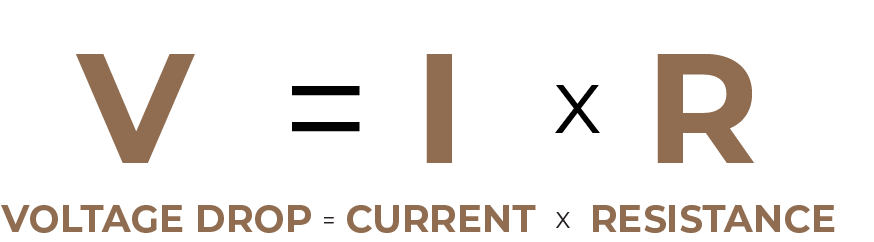
For acceptable voltage drop levels, the NEC recommends:
- 3% maximum for branch circuits
- 5% maximum combined for feeders and branch circuits
These are recommendations, not strict requirements, but following them ensures efficient operation and prevents equipment problems.
KEY FACTORS THAT AFFECT VOLTAGE DROP
Several factors influence how much voltage drop occurs in a wire & cable installation.

DISTANCE is the biggest factor that causes voltage drop. Due to compounding resistance, a circuit that works perfectly at 50 feet may have serious problems at 200 feet.

The amount of CURRENT flowing through the wire matters. For example, a 20-amp circuit experiences twice the voltage drop of a 10-amp circuit with the same wire size over the same distance.
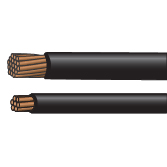
WIRE SIZE plays a major role. Smaller wires have higher resistance and cause more voltage drop, while larger conductors allow electricity to flow more easily.

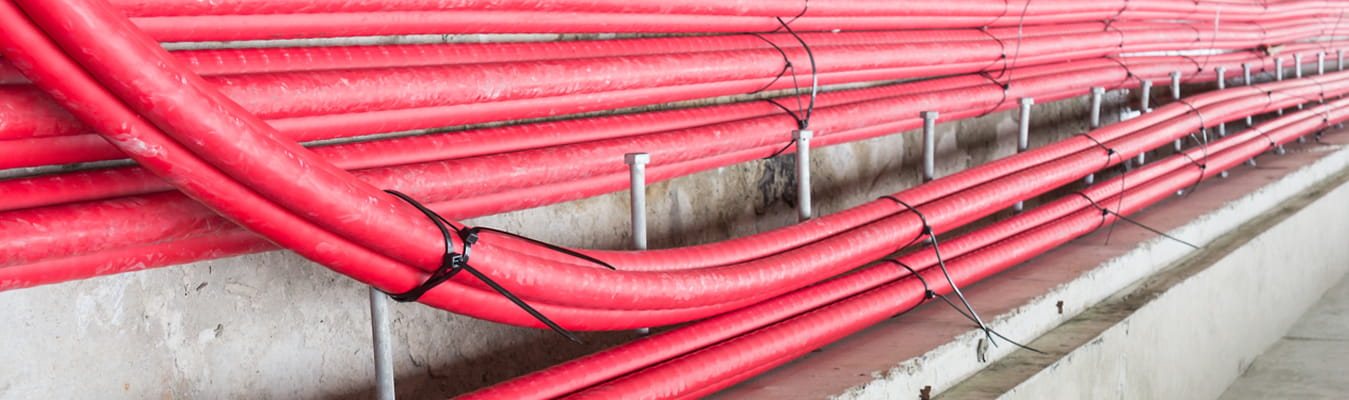
HIGHER TEMPERATURES increase resistance, and bundled cables or hot environments increase voltage drop. PVC conduit and underground installations retain more heat and increase resistance, especially in hot climates where soil temperatures are high.
UNDERSIZED VS PROPER SIZED WIRE
The most effective solutoin for preventing voltage drop is upsizing to the next conductor. However, there are several methods to consider.
- One option is to run parallel conductors or install an additional circuit—sometimes running an additional 500/3 cable is more cost-effective than upsizing to 600/3 or 750/3, for example.
- Keeping circuit runs as short as possible can minimize voltage drop. It is ideal to relocate equipment closer to the power source for long runs.
- Maintaining a cooler environment with proper airflow will provide the best performance because heat can escape easily.
| FACTOR | UNDERSIZED WIRE | PROPERLY SIZED WIRE |
|---|---|---|
| Voltage Drop | Excessive (>5%) | Within Limits (≤3%) |
| Equipment Performance | Motors overhead; lights dim | Operates at rated capacity |
| Long-Term Costs | Higher energy costs; premature failure | Lower costs; full lifespan |
| Safety | Overheating risk | Safe, reliable operation |
 Service Wire is always responsive to RFQs and knowledgable about wire and cable products.
Service Wire goes above and beyond to help us meet our customer's needs.
SPECIFICATION REVIEW
Service Wire manufactures wire and cable specifically engineered for optimal conductivity and minimal voltage drop. Our technical team can help you select the right conductor size, material, and configuration for your specific application—whether it's a long run to an outbuilding, a high-current motor circuit, or a sensitive electronics installation.
Don't let voltage drop compromise your installation. Contact your Service Wire representative today to request a free specification audit to ensure you're specifying the right wire for the job.

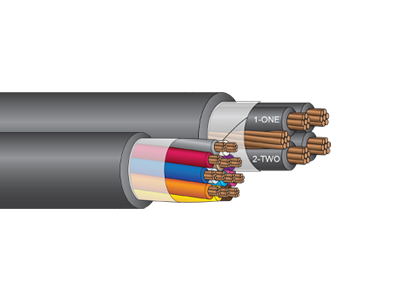
TRAY CABLE
TC-ER Rated
- XHHW-2 Inner Conductors
Colored, Numbered, or Striped Conductors
AVAILABLE:
Dual Rated 600V/1kV or 2kV
#14 AWG - 750 Kcmil
2-37 Conductors
Tinned or Non-Tinned
Shielded or Non-Shielded
PVC, ServiceCPE®, or EnviroPLUS® Jacket
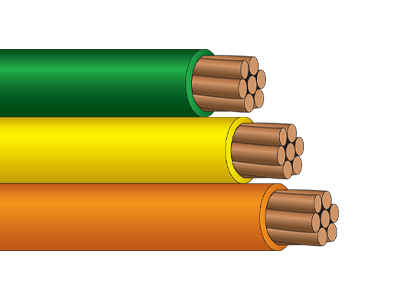
SERVICEPRO-X®
No Pulling Lubricant Required
(#6 AWG and Larger)
- XHHW-2 600V/1kV Copper
- USE-2 or RHW-2 600V/1kV Copper
- RHW-2 or RW90 1kV/2kV Copper
AVAILABLE:
#14 AWG - 1000 Kcmil
Tinned Conductors
VW-1 Rated
Wide Range of Colors
Silicone-Free
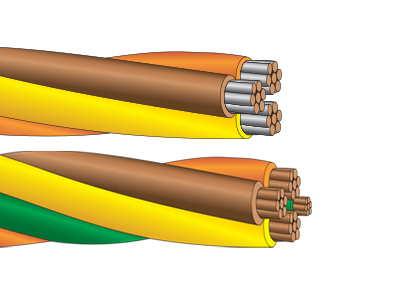
SERVICEPLEX®
Prefab Twisted Single Conductors
- XHHW-2 Inner Conductors
600/1,000 Volt Copper
AVAILABLE:
#14 AWG - 750 Kcmil
2-7 Conductors
Built-In Grounds
Pre-Installed Pulling Heads
Wide Range of Colors
Silicone-Free
Related CUSTOMER QUESTIONS
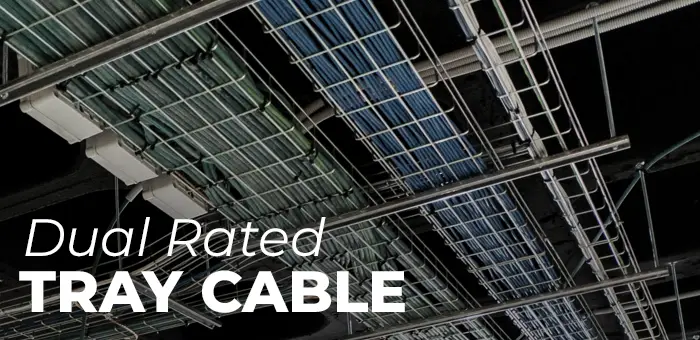
What Are the Advantages of UL Dual Rated Tray Cable?
Dual rated tray cable is a great cost-alternative option that offers voltage flexibility. Discover the benefits of selecting 600V/1kV rated tray cable.
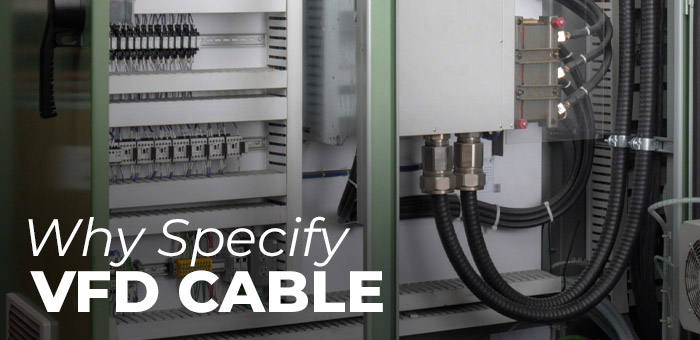
Why Specify Cable Systems for VFD Applications?
Selecting the wrong Variable Frequency Drive (VFD) cable system can lead to disasters like motor bearing failure, stray current, EMI, and cable failure. Learn how to choose the right system and avoid costly downtime, diagnosis & repair.
Why Choose Metal-Clad Armored Cable Over Electrical Conduit?
Interlocked armored cables like Feeder MC provide the protection and durability required in harsh conditions without the need for electrical conduit. Discover the advantages of switching to Type MC cable.