

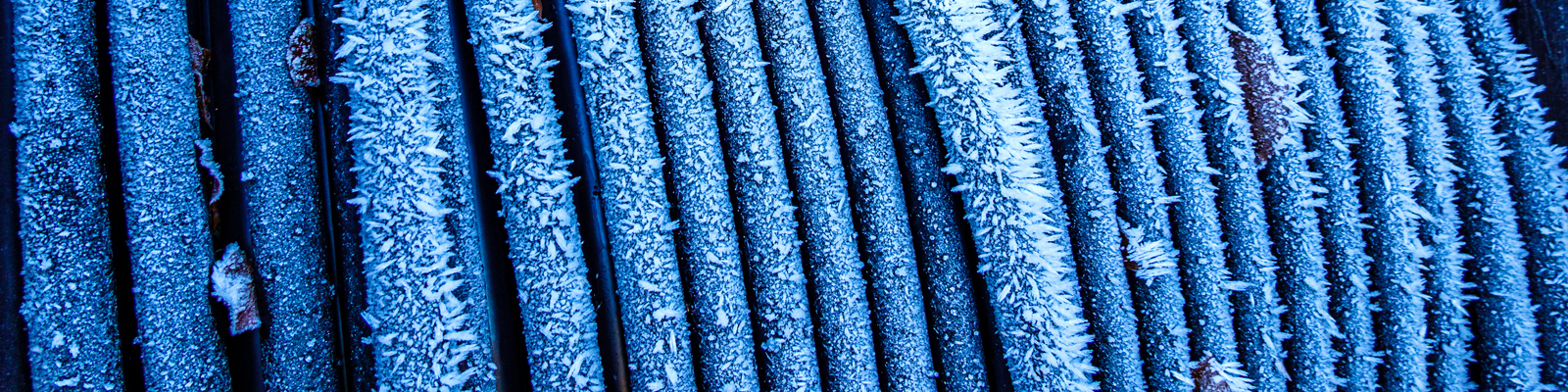
What Happens When Cold Cable Is Energized Too Quickly?

OUR SOLUTION FOLLOW-UP QUESTION
HOW TO PREVENT THERMAL SHOCK
As winter transitions to spring, many contractors face a hidden danger: cable that's been stored in cold conditions that is energized too quickly. This can cause severe insulation damage.
THERMAL STRESS RISKS
- Sending current too quickly through cold conductors can create thermal shock—causing the insulation to crack like glass under the sudden temperature change.
- THHN is particularly vulnerable because PVC expands quickly when heated.
- Avoid the risk with XHHW-2. It offers superior performance across temperature extremes.
SAFE WARMING PRACTICES
- Never apply full current to cold cable immediately.
- Allow cables to reach ambient temperature first (24-48 hours for large reels).
- Then ramp up gradually: 25% load for 1-2 hours, then 50%, and finally full capacity once the cable surface shows uniform warmth.
MANAGED STORAGE SOLUTION
Service Wire's Cable Management eliminates these risks entirely with climate-controlled storage and just-in-time delivery. The cost of managed solutions is minimal compared to replacing thousands of feet of damaged cable.
DANGERS OF THERMAL SHOCK
If conductors are energized rapidly, the cable’s insulation can be damaged due to thermal shock—like glass that cracks under sudden changes from hot to cold. THHN, for example, is prone to cracking or even shattering under sudden thermal loads because PVC expands quickly when exposed to heat. This issue can be compounded when THHN is stored or installed below the cable’s thermal threshold.
Avoid the risk altogether by using XHHW-2—it has a lower cold and a higher maximum temperature rating.
PROPER CABLE WARM-UP & RAMPING
Cables stored in cold conditions should never be brought to full current load immediately. A gradual current ramping strategy allows the material to expand slowly, minimizing the risk of insulation damage.
When current flows through a cold cable, the conductor heats up instantly, while the insulation remains cold and brittle. This creates internal mechanical shear, where the expanding conductor pushes against the rigid insulation that cannot yet flex, potentially causing:
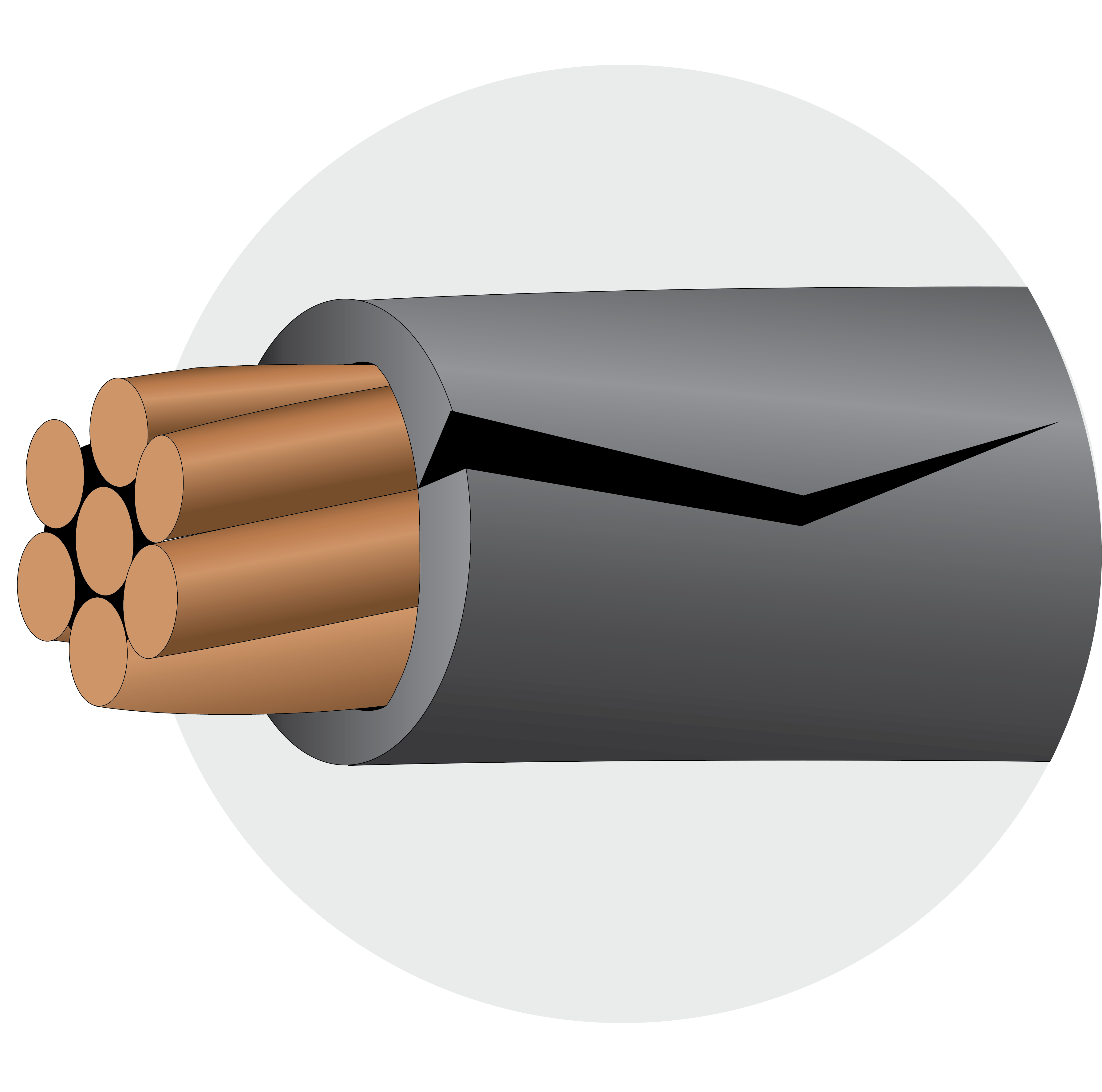
Insulation Splitting
Longitudinal cracks that form as the conductor forces the insulation to stretch beyond its elastic limit.
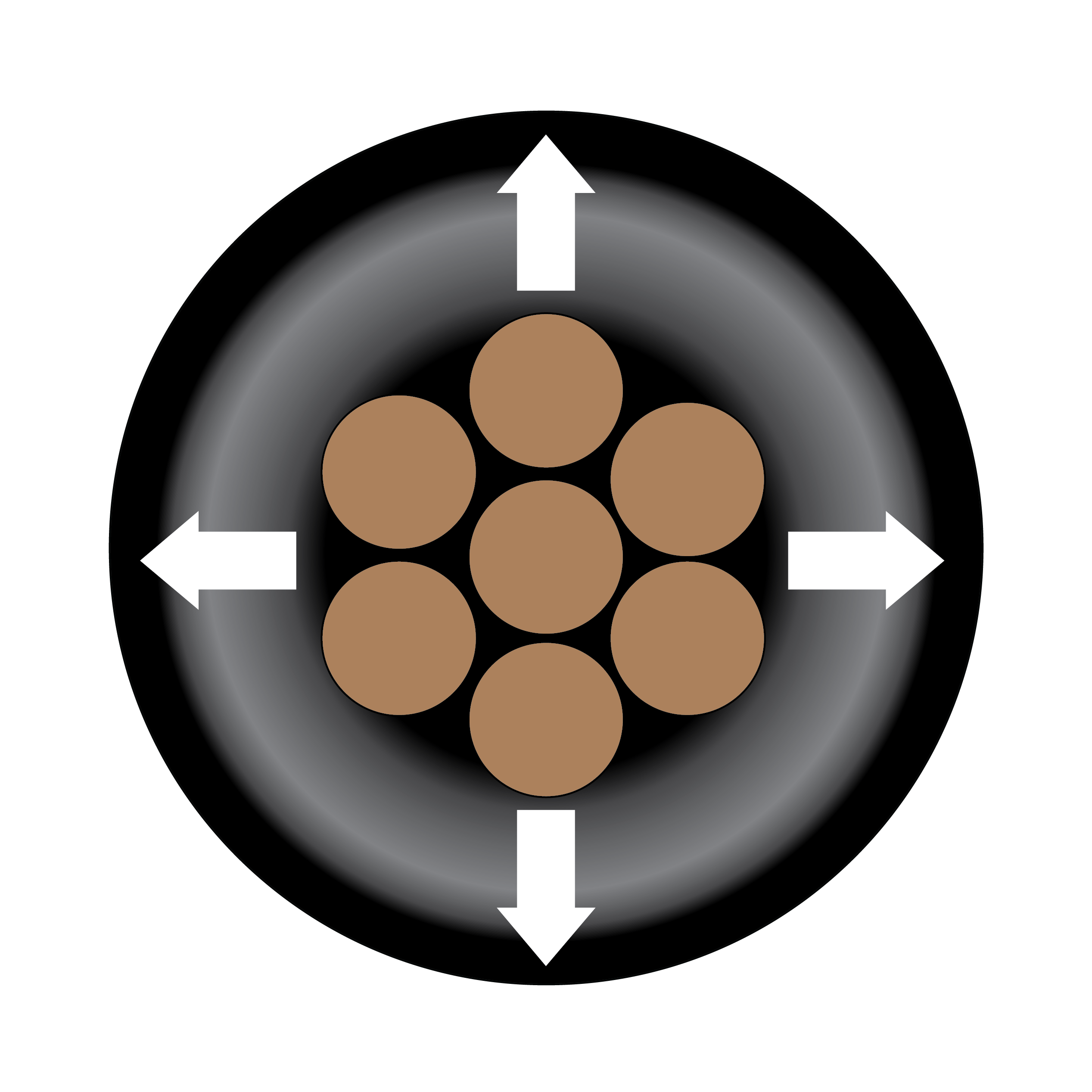
Bond Failure
Separation of the insulation from the conductor that leads to mechanical failure.
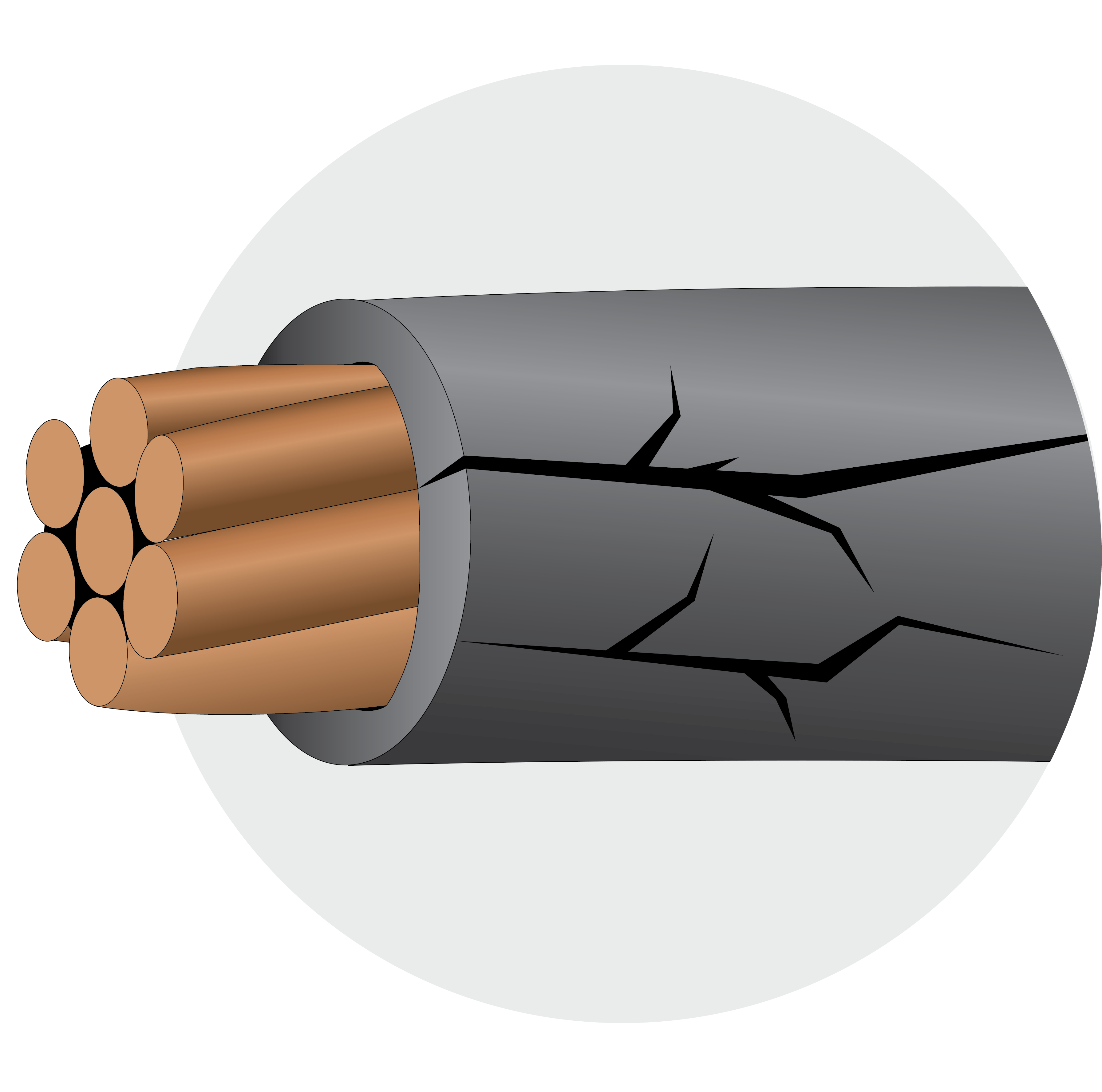
Stress Fractures
Permanent fatigue in the polymer chain of the insulation, shortening the cable’s operational lifespan.
Before any current is applied, cables stored in freezing conditions should be allowed to reach the ambient room temperature of the installation site. For large reels, this can take 24 to 48 hours because the dense copper core retains cold longer than the outer jacket suggests.
Rather than switching a circuit to 100% capacity immediately, electrical engineers recommend an incremental load-up:
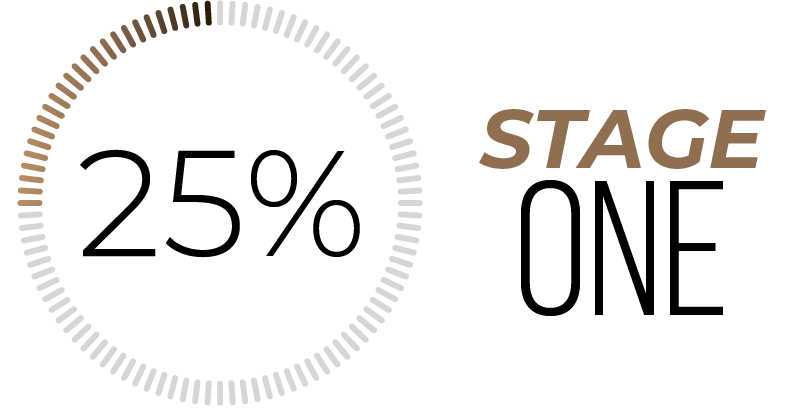
Apply a quarter of the rated current for 1 to 2 hours to "pre-warm" the conductor core.

Increase to half capacity, radiating heat through the insulation to the outer jacket.

Transition to full capacity once the cable surface shows uniform temperature.
SUBMIT A QUESTION
FACT SHEET
 Service Wire offers solutions to meet all of our company's needs.
Service Wire is always competitive and willing to work with us on delivery.
CABLE MANAGEMENT
The most effective solution for preventing transition-related damage is Service Wire’s Cable Management. By utilizing climate-controlled storage and "just-in-time" delivery, you eliminate the risk of thermal shock. Comparing the cost of a managed solution to the price of replacing thousands of feet of compromised cable makes the choice clear.
Contact your Service Wire representative today to discuss our cable management solutions and ensure your materials are ready for the job, regardless of the forecast.
| FACTOR | IMPROPER OUTDOOR STORAGE | SERVICE WIRE CABLE MANAGEMENT |
|---|---|---|
| Insulation Integrity | High risk of thermal shock/cracking | Maintains flexibility and strength |
| Reliability | Suspect "meg" test results | Consistent, high-quality performance |
| Long-Term Cost | Potential replacement/labor delays | Pricing and product availability ensured; just-in-time delivery |
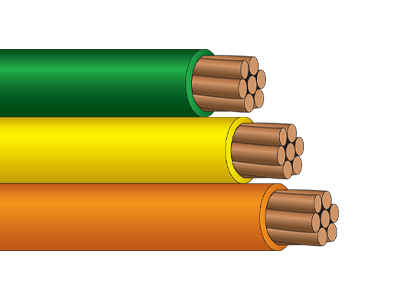
SERVICEPRO-X®
No Pulling Lubricant Required
(#6 AWG and Larger)
- XHHW-2 600V/1kV Copper
- USE-2 or RHW-2 600V/1kV Copper
- RHW-2 or RW90 1kV/2kV Copper
AVAILABLE:
#14 AWG - 750 Kcmil
Tinned Conductors
VW-1 Rated
Wide Range of Colors
Silicone-Free
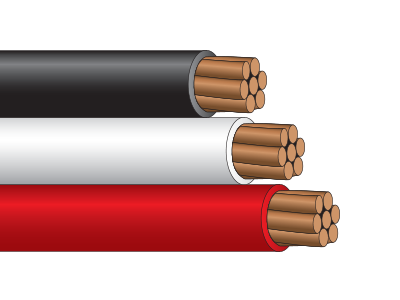
SERVICESOLAR®
Photovoltaic Wire (UL 1403)
- XLP/USE-2 or RHW-2 600V/1kV or 2kV Copper
- RPVU90 1kV/2kV Copper
- RHW-2 or RW90 1kV/2kV Copper
AVAILABLE:
#16 AWG - 750 Kcmil
Industry Standard Colors
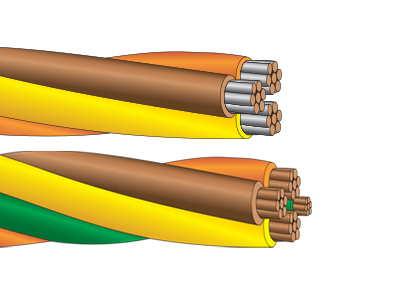
SERVICEPLEX®
Prefab Twisted Single Conductors
- XHHW-2 Inner Conductors
600/1,000 Volt Copper
AVAILABLE:
#14 AWG - 750 Kcmil
2-7 Conductors
Built-In Grounds
Pre-Installed Pulling Heads
Wide Range of Colors
Silicone-Free
Related CUSTOMER QUESTIONS
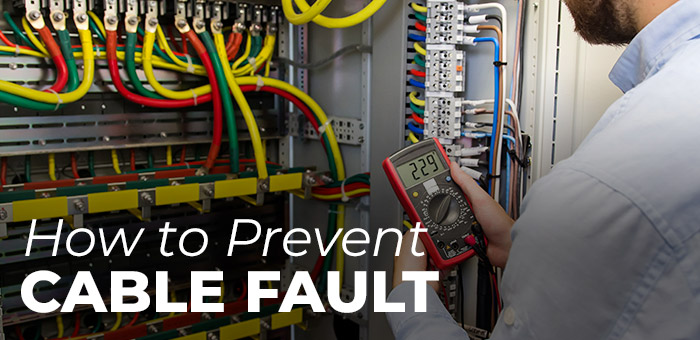
How Can I Prevent Cable Faults During Installation?
Even the smallest nick in a cable’s insulation can lead to outer sheath damage & a short circuit fault. Cables that won’t meg properly will need to be replaced. Learn how you can prevent cable faults during installation.
THHN vs. XHHW-2: What's the Difference?
Thermoset XLPE insulation is superior to the thinner PVC insulation used in thermoplastic products (like THHN/THWN-2). Learn more about the differences between THHN and XHHW-2.
How Do Cold Temperatures Affect Cable?
Extreme cold temps put your cables to the test. If you use the wrong cable it can stiffen, crack, and even break. See how to select the right thermoset cable with sufficient cold temperature rating instead.